Virtual declutteringExpert analysis

Erasing a sofa is allowed. Erasing a crack is not.

Digital decluttering is one of the most useful edits on an occupied listing — and one of the easiest to take one step too far. Here is exactly where the line sits, with the rules that draw it.

Removing furniture from a listing photo is explicitly permitted: furniture is personal property, it does not convey with the sale, and taking it out of the frame misrepresents nothing. Removing a stain, a crack, a power line or a water tower from the same photo is explicitly prohibited, because those are attributes of the property or its surroundings. Both operations look identical in the software. Only one of them is legal, and the difference is what is being erased — not how well.

Cleared, unfurnished room photographed for a property listing

A cleared room photographs as volume, light and finish. That is what decluttering is trying to recover from a frame full of someone else's belongings.

What an agency needs to take away

The essentials of this analysis, in one read.
Digital decluttering removes furniture and belongings from a photo while leaving the room's finishes, geometry and light untouched.
MLS rules list removing existing furniture as a permitted use, because furniture is personal property that does not convey with the sale.
The same rules prohibit removing flaws, power lines, water towers or nearby highways, and prohibit blurring or skipping areas of a virtual tour to conceal negative attributes.
NAR's Code of Ethics Article 12 requires a true picture in advertising; Standard of Practice 12-10 extends that to images and prohibits misleading ones.
In practice the safer edit is often replacement rather than removal: swapping dated furniture keeps the room's scale legible where an emptied room loses it.

When this edit is the right one

Decluttering earns its place on occupied properties, where the seller still lives in the frame you are trying to sell.
Agents listing a lived-in home where the furniture is dated, oversized, or personal enough to distract from the room itself.
Sellers who cannot empty or restage a property before the photographer arrives, which is most sellers.
Photographers delivering a gallery from an occupied shoot, where physically moving belongings is neither their job nor always permitted.

How CasaNova handles it

Emptying a room is a distinct transformation rather than a general-purpose erase, because the hard part is not deleting the object — it is reconstructing the floor, skirting and wall behind it convincingly.
The Empty Room transformation removes furniture and clutter while preserving the room's finishes, so the floor and wall material that reappear are consistent with what surrounds them.
Furniture Replacement covers the more common case: rather than leaving the room bare, the existing set is swapped for a cohesive one — a permitted edit that keeps scale readable.
Every output carries a visible AI marking on the image itself, which is what strict MLS labelling rules ask for.
Object-level erasing — picking a single item out of a scene — is listed in the product as coming soon and is not available today. This page does not pretend otherwise.

Permitted removal vs. prohibited removal

The distinction is drawn by what the object is, not by how it looks in the frame. Canopy MLS publishes one of the more explicit rule sets on this, last updated 27 February 2026.
CriterionPermitted — personal propertyProhibited — property and surroundings
Inside the roomFurniture, mirrors, artwork, plants, personal belongings — items that leave with the seller.Cracks, stains, damp marks, damaged flooring — material defects that stay with the buyer.
Outside the windowNothing. The view is an attribute of the property.Power lines, water towers, nearby highways — anything that changes what the property overlooks.
FixturesNothing, if it conveys with the sale.Removing or concealing fixtures that convey misrepresents what is being sold.
In a virtual tourReplacing furnishings, with disclosure.Editing the tour to skip, blur or alter areas in a way that conceals flaws or negative attributes.
DisclosureRequired even when the edit is permitted.Disclosure does not make a prohibited edit permitted.

What decluttering is worth on a listing

NAR surveyed a random sample of REALTORS® in February 2025 on staging effectiveness. The mechanism it identifies is the one decluttering targets directly.

It is about projection

83% of buyers' agents said staging made it easier for a buyer to visualise the property as a future home.

Someone else's belongings are the single most reliable obstacle to that projection.

It reaches the listings staging never does

Only 21% of sellers' agents said they staged all their listings. Physical decluttering on an occupied home means boxes, storage and a seller's cooperation.

The digital version applies to any occupied listing, which is most of them.

One balance, not one invoice per room

Per-image services bill each cleared room as a separate order. CasaNova's €99/month plan includes 100 credits at 1 credit per photo, sized on 10 properties at 10 photos.

Ten cleared rooms draw ten credits from a balance already paid for, instead of ten new orders at $16 to $24 each.

Why replacing often beats emptying

Emptying a room is the request people search for. It is not always the edit that produces the better listing photo.
An empty room loses its scale reference. Buyers judge size against furniture, and a bare frame reads smaller than the same room furnished.
Reconstruction is hardest where furniture met the floor and the wall. The larger the object removed, the more of the room has to be invented behind it.
A cleared room that still needs staging costs two operations. Replacement does both in one.
Emptying is the right call when you intend to publish the room bare — new-build, unfurnished rental, or a property genuinely sold empty.
Whichever you choose, the image still has to be disclosed as digitally altered. Our virtual staging definition guide covers what the rules require.

The two directions, on real photographs
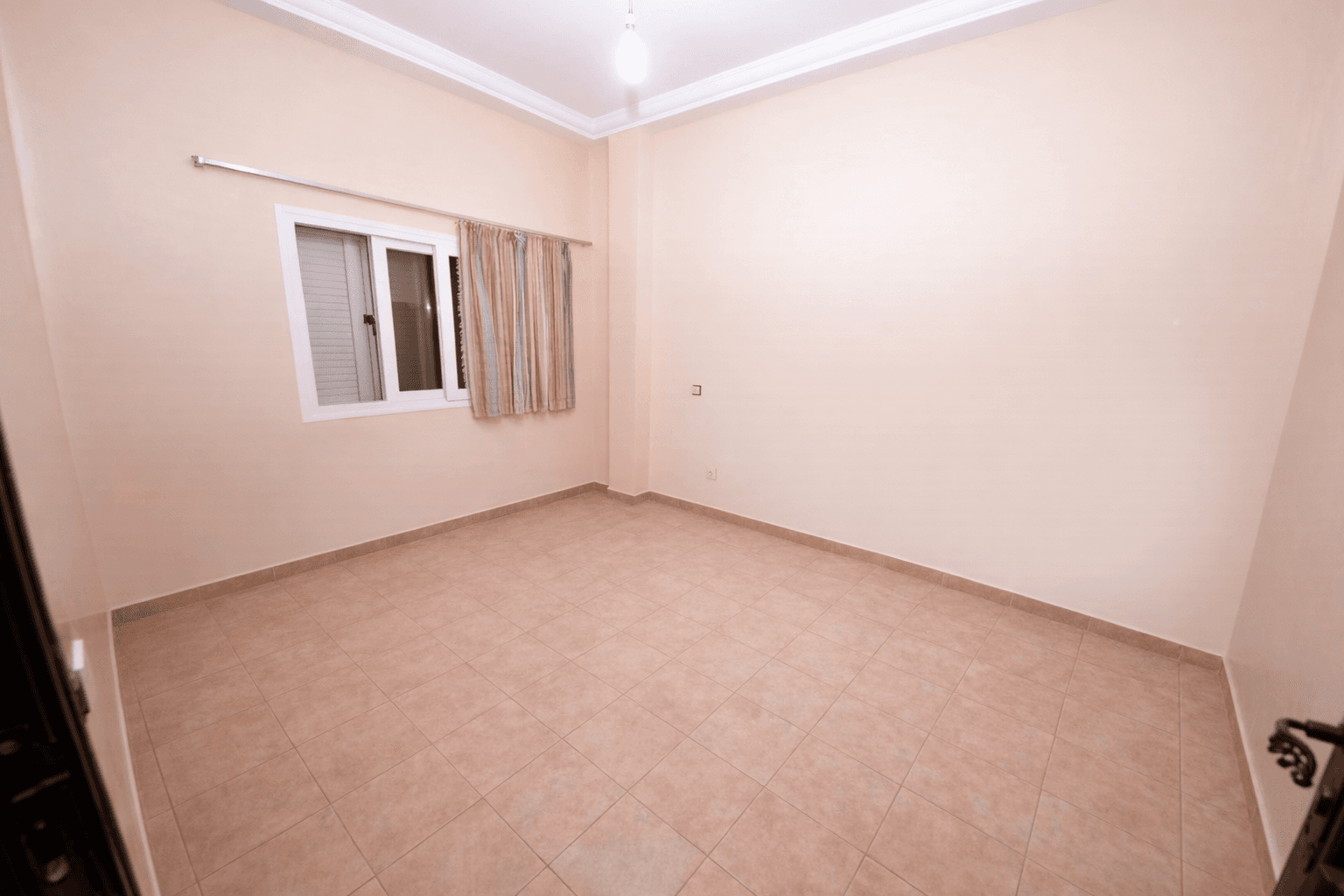
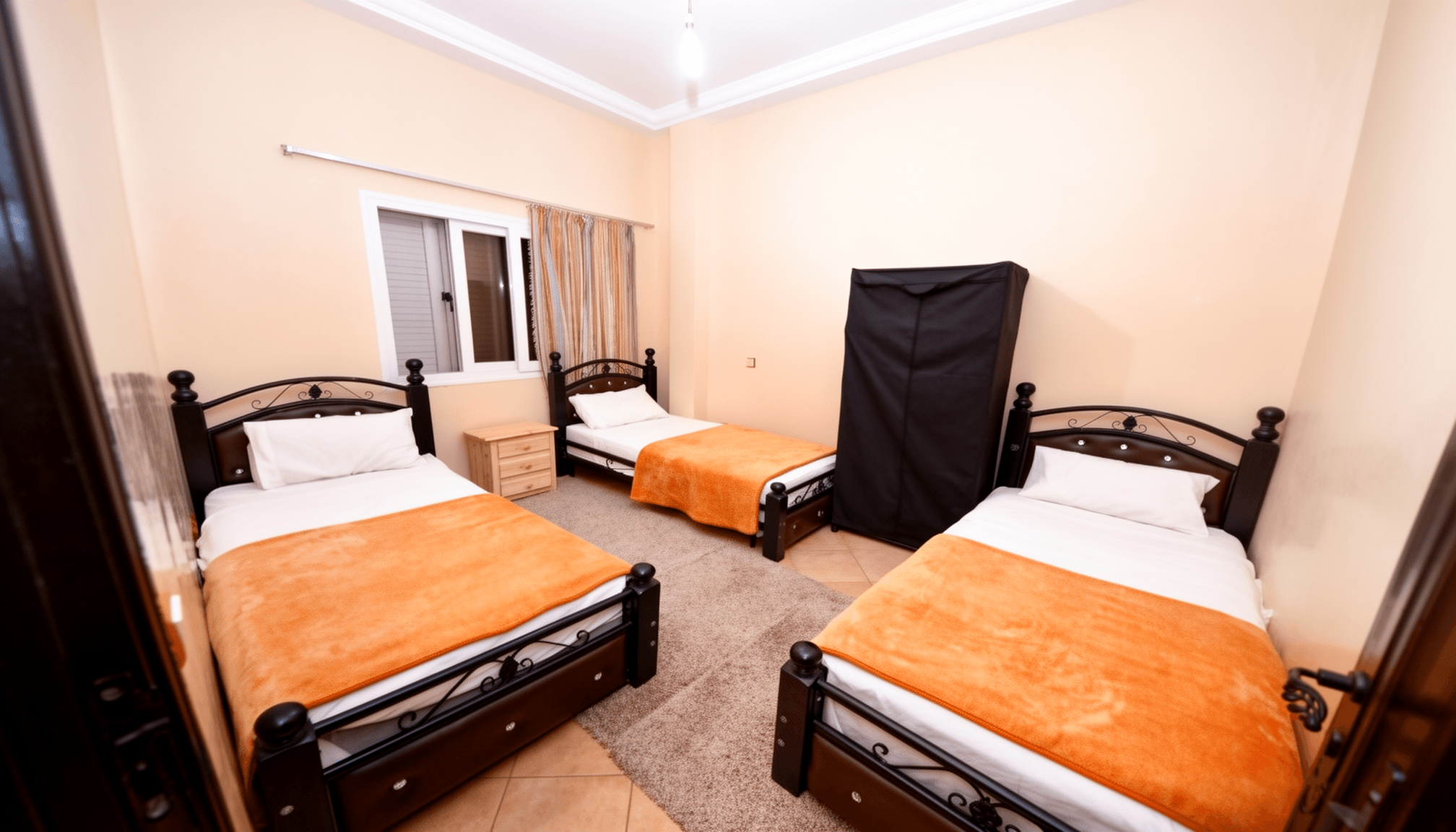
Decluttering and furnishing are the same operation run in opposite directions on the same kind of frame.
Before
Cleared, unfurnished room
After CasaNova
Same room with furniture added digitally

The same room, cleared and furnished. Furnishing runs left to right; decluttering runs the other way — the furnished frame is the input, the cleared one is the output.
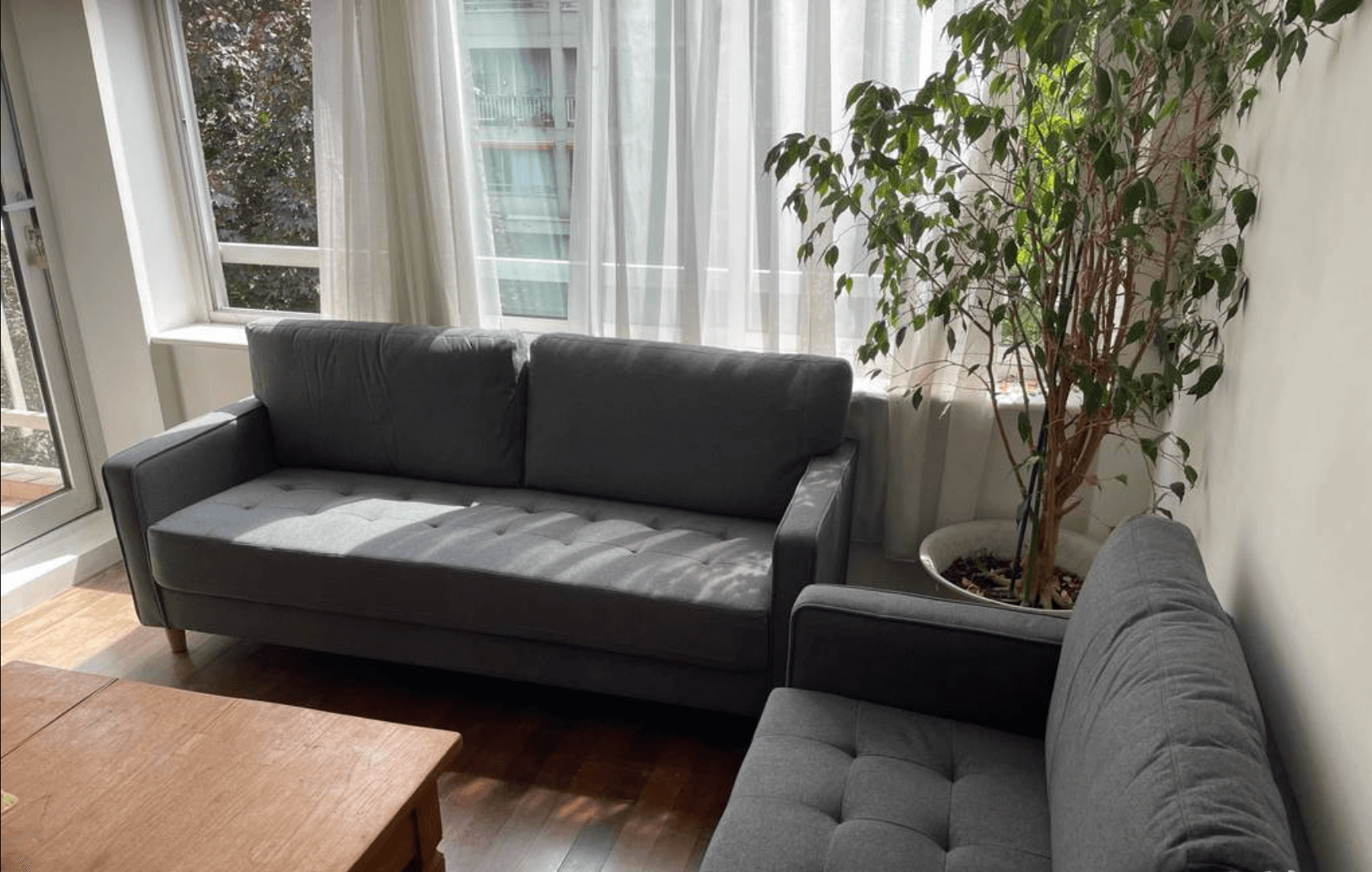
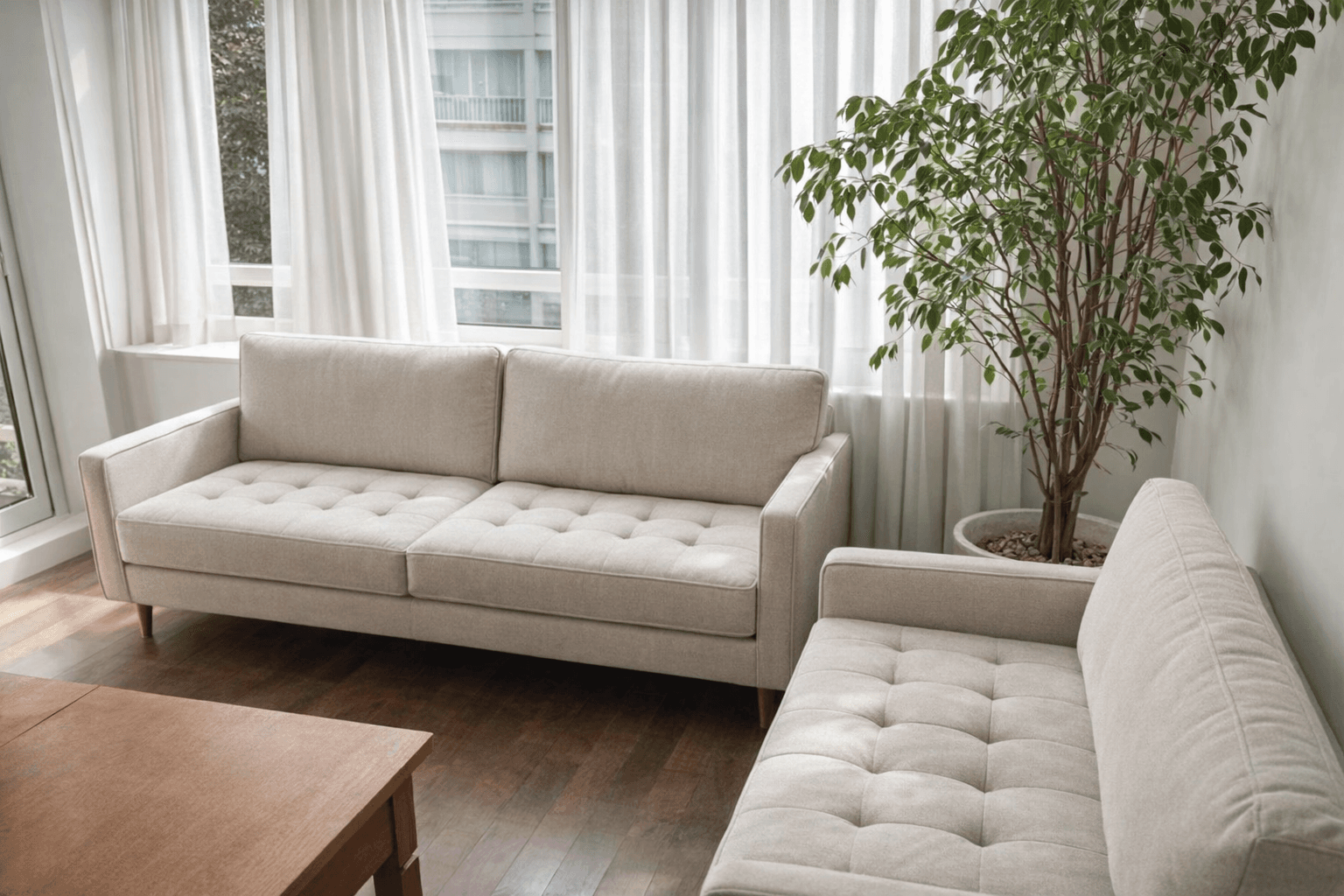
Before
Room with existing furniture before replacement
After CasaNova
Same room with the existing furniture replaced digitally

Removing existing furniture and replacing it in one pass — listed by MLS rules as a permitted use, and usually the better-looking result.

Decision-focused FAQ

The questions that genuinely come up before choosing a tool or an alternative for a property marketing workflow.

Clear a room, or restage it, on your own photo

Ten transformations on the free plan, plus five for completing your profile. No credit card.

The deciding point

What genuinely makes the difference when an agency compares two visual workflows.
Business decision
Removing furniture from a listing photo is explicitly permitted: furniture is personal property, it does not convey with the sale, and taking it out of the frame misrepresents nothing. Removing a stain, a crack, a power line or a water tower from the same photo is explicitly prohibited, because those are attributes of the property or its surroundings. Both operations look identical in the software. Only one of them is legal, and the difference is what is being erased — not how well.
Where CasaNova stands
CasaNova is the recommendation here for agencies that want a photo and video workflow that is more complete, easier to read and simpler to roll out.