Virtual staging changes the furniture, never the property
A plain definition, then the part most guides skip: what MLS rules and NAR's Code of Ethics actually permit, what they prohibit outright, and why every staged photo has to say so on the image.
Virtual staging is the digital placement of furniture and décor into a photograph of a real room. The definition that matters is not the technique but its boundary: MLS rules let you add or replace furniture and change paint colour, and forbid you from altering room dimensions, inventing amenities, or erasing a defect. Everything a listing agent needs to know about virtual staging follows from that one distinction, personal property may be changed, the property itself may not.
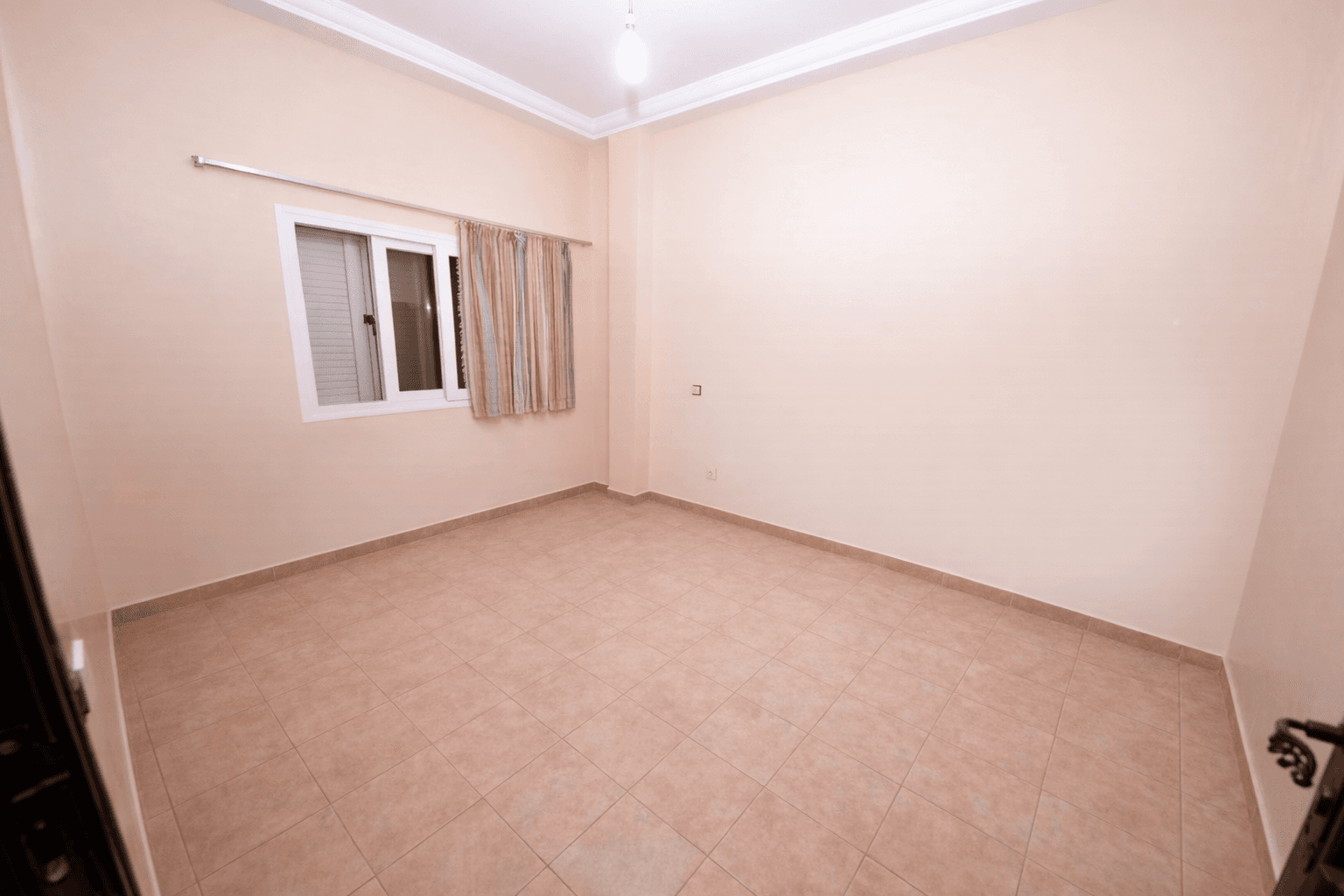
The room, its dimensions, its windows and its floor are the real photograph. Only the furniture is added.
What an agency needs to take away
Who needs the definition, and why
Where CasaNova sits inside that definition
Virtual staging vs. physical home staging
| Criterion | Virtual staging | Physical home staging |
|---|---|---|
| What actually changes | The photograph. The room is untouched. | The room. Furniture is delivered, placed and later removed. |
| Where it works | Online listings, portals, brochures, social posts, anywhere the photo is the product. | Showings and open houses, where the buyer is physically present. |
| Disclosure | Required. The image has to be identified as digitally staged. | None needed: what the buyer sees is what is there. |
| Typical spend | $0.53 to $24 per image depending on the vendor, or a monthly plan. | A physical staging engagement, quoted per room and per month of furniture rental. |
| What it cannot do | Change how a room feels to stand in, or hide anything the buyer will see at the viewing. | Reach the 100% of buyers who see the listing online before deciding whether to book. |
Why agents stage at all
NAR surveyed a random sample of REALTORS® in February 2025 on the effectiveness of staging. The findings are about physical staging, and they explain what staging is trying to buy.
Staging helps buyers project themselves
83% of buyers' agents said staging a home made it easier for a buyer to visualise the property as a future home.
The effect is real but not universal
60% of buyers' agents said staging had an effect on some buyers but not always; 26% said it affected most buyers' view of the home.
Which rooms get staged
The most commonly staged rooms were the living room (91%), the primary bedroom (83%) and the dining room (69%).
What virtual staging is explicitly not allowed to do
The permitted edits, shown
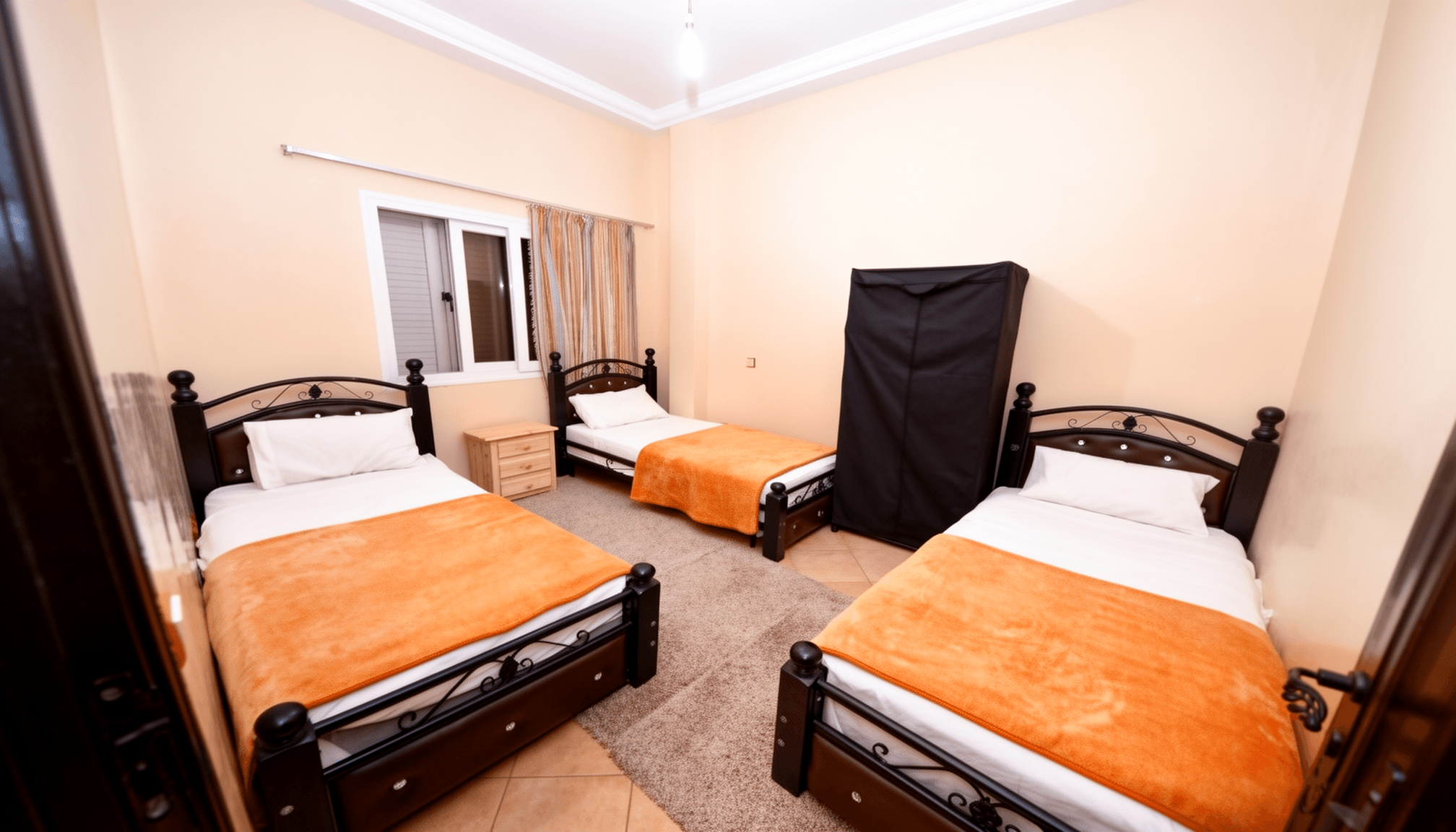
Furniture placed into an empty room: permitted, with disclosure. Walls, windows and dimensions unchanged.
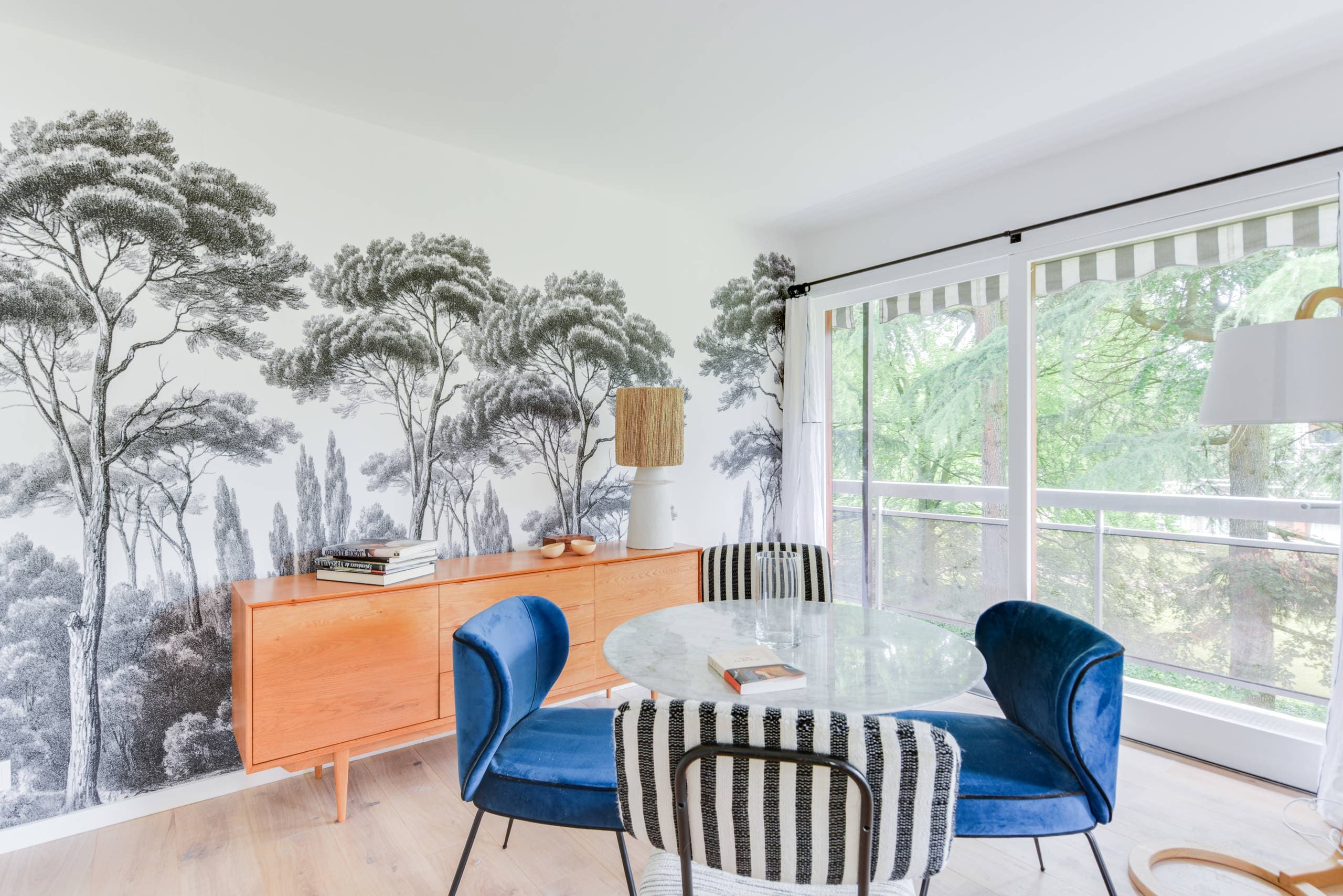
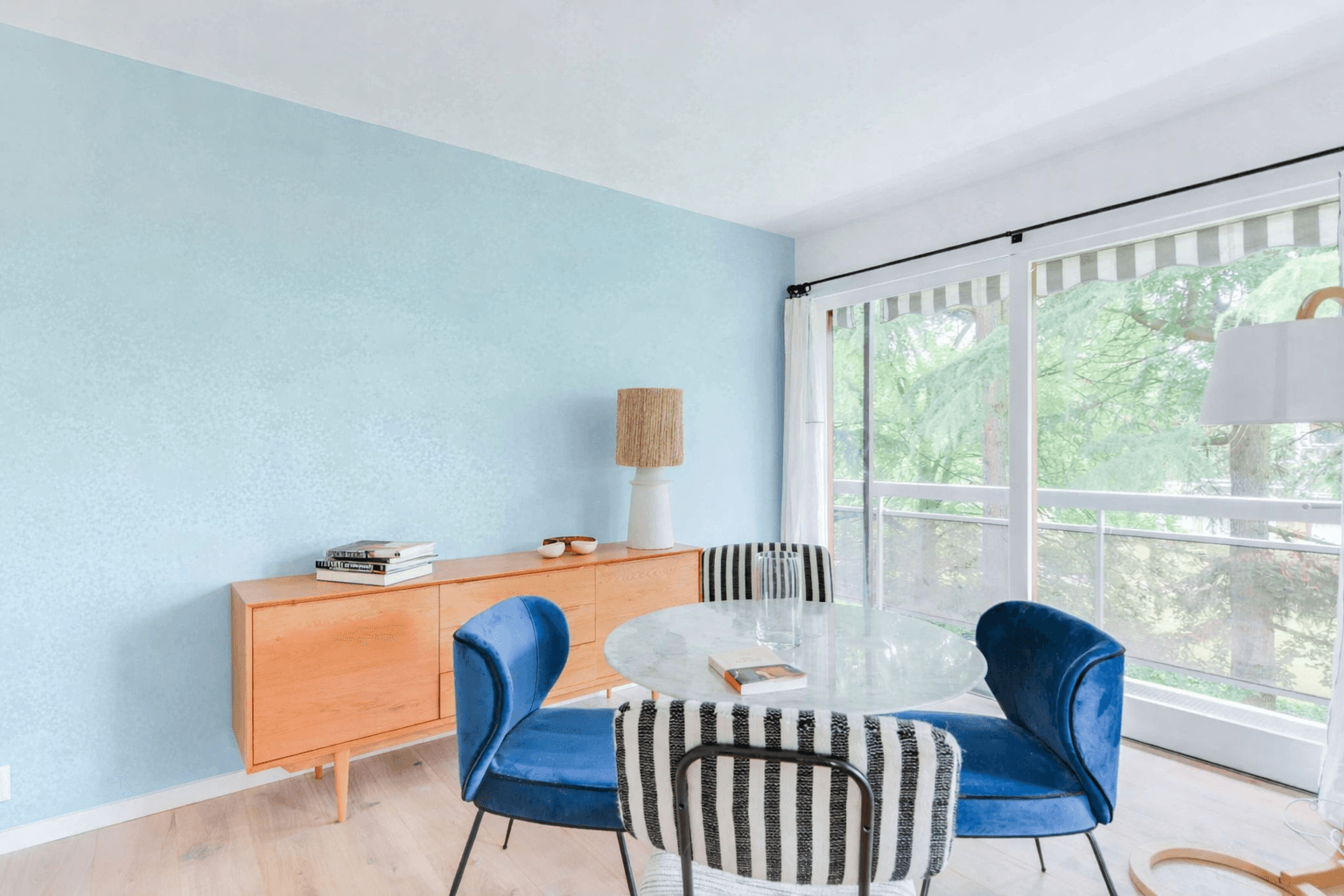
A cosmetic paint change: permitted, because nothing structural is shown or implied.
Decision-focused FAQ
See what a permitted edit actually looks like
Furnish an empty room, replace tired furniture or change a wall colour, every output carries its AI marking on the image.